
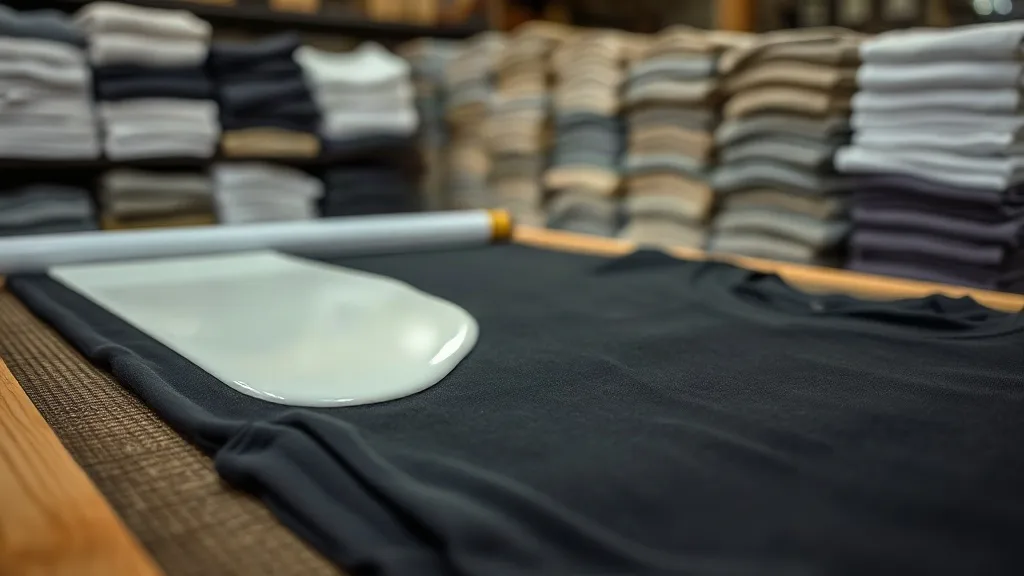
Most conversations about blanks stop at the fabric weight and the price per unit. That is understandable, because those two numbers decide whether a job is profitable. But any print shop that has pulled a squeegee across a few thousand shirts knows the real question is different: how does this garment behave once ink touches it? That is the angle worth exploring with shaka wear, a blank line that has quietly become a staple in shops doing everything from single-color chest hits to six-color simulated process work.
This guide is written from the press, not from a spec sheet. It covers mesh counts, ink systems, cure temperatures, and the wash tests that separate a blank that holds detail from one that fades into a ghost after five cycles. If you are evaluating shaka wear for a recurring client program, or comparing it against smart blanks for a specific job, the practical details below should help you decide faster.
Why Fabric Construction Matters More Than Weight Alone
A 6.0 oz tee and a 5.3 oz tee can look nearly identical on a hanger, yet print completely differently. What separates them is yarn size, knit tightness, and how the fabric is finished before it ships. Looser knits let ink sit deeper into the surface, which softens edges on fine detail. Tighter knits keep ink on top, giving crisper lines but sometimes a stiffer hand feel.
Shaka Wear's ring-spun cotton construction lands in a middle ground that suits shops running mixed workloads. The surface is smooth enough for halftones and small type, but the fabric still has enough texture that a heavy plastisol deposit does not read as a plastic patch. In practice, that means fewer reprints caused by ink sitting proud of the shirt.
What to check when a box arrives
Before you commit a full run, pull three shirts from the box and run this quick inspection:
- Hold the shirt up to a light source. Uneven density shows up as blotchy bright spots and predicts inconsistent ink coverage.
- Rub the surface with a clean white cloth. Excessive loose fiber means you will be fighting lint on the screen all day.
- Check the side seams for torque. A shirt that twists after one wash will make your print look crooked even when registration was perfect.
- Measure the chest width on a flat surface and compare it to the size chart. Shrinkage allowances vary between dye lots.
Shaka Wear tends to pass the light test cleanly, which is one reason it works well for white-on-dark jobs where pinholes are unforgiving.
Matching Mesh Count to the Garment
Mesh selection is where a lot of print quality is won or lost, and it is entirely within your control. The general rule is simple: the finer the detail, the higher the mesh, but the heavier the ink deposit you need, the lower the mesh has to go.
Recommended mesh ranges
- 110 to 156 mesh: Best for bold one-color fills, athletic numbers, and white underbases on dark garments. Expect a thicker deposit that needs careful curing.
- 160 to 200 mesh: The workhorse range for two to four color spot work. Good balance of opacity and edge definition on ring-spun cotton.
- 230 to 305 mesh: Where halftones, gradients, and small text live. Requires a well-emulsioned screen and consistent squeegee pressure.
On Shaka Wear tees, 200 mesh is a comfortable starting point for most spot-color jobs. The fabric surface is even enough that you rarely need to drop below 156 to get solid coverage, which keeps the print hand softer than shops often expect from a heavyweight blank.
Ink Systems: Plastisol, Water-Based, and Discharge
Each ink system interacts with cotton differently, and the same blank can produce three distinct results. Knowing which one fits the garment saves a lot of test printing.
Plastisol
Plastisol sits on top of the fabric, so opacity is easy and color matching is predictable. The tradeoff is hand feel. On a heavier ring-spun tee, a standard plastisol print with a white underbase can feel substantial. If the client wants a soft print, consider a reduced underbase or a higher mesh count rather than a heavier deposit.
Water-based ink
Water-based ink penetrates the cotton fibers and cures into the fabric rather than onto it. The result is a print you can barely feel, which is exactly what many retail brands want. The catch is that water-based ink follows the fabric, so any inconsistency in the knit becomes visible. On a smooth ring-spun surface this works beautifully; on a slub or heavy texture it can look uneven. Shaka Wear's smoother face makes it a strong candidate for water-based work.
Discharge
Discharge printing removes dye from the garment and replaces it with pigment, producing a soft print with no underbase. It only works on garments dyed with dischargeable dyes, and results vary by color. Always test on the actual garment color before committing, because a navy that discharges to cream and a navy that discharges to muddy gray are two very different outcomes. Run a test shirt from the same dye lot you plan to print.
Curing: The Step Most Shops Get Wrong
Every print failure blamed on the blank usually traces back to cure temperature. Under-cured plastisol washes out in flakes. Over-cured plastisol scorches and turns brittle. The window is narrower than most people assume.
For plastisol, aim for the ink film to reach roughly 320°F (160°C) throughout, verified with a donut probe rather than an infrared gun reading the surface. Conveyor speed and dwell time matter as much as the dial setting. For water-based and discharge inks, the fabric itself needs to reach curing temperature, which means longer dwell times and a closer watch on moisture content.
A practical habit: run one shirt through the dryer, let it cool completely, then stretch the printed area firmly. Cracking along the ink surface means you are under-cured. Repeat the test at the start of every shift, since ambient shop temperature shifts dryer performance more than people expect.
Wash Testing Without a Lab
You do not need expensive equipment to learn how a print will age. A simple home wash protocol gives you useful data in a week.
- Wash the test shirt five times at 40°C with a normal detergent load.
- Tumble dry on medium after each cycle, which is harsher than line drying and closer to real consumer behavior.
- Photograph the print after cycle one, three, and five under the same lighting.
- Compare edges, opacity, and any fibrillation (the fuzzy white haze that appears when fibers work through the ink).
Fibrillation is the most common complaint on dark garments with white underbases. It is a fabric and ink interaction, not a defect in the shirt. Higher mesh counts, a sharper squeegee, and a matte-finish plastisol reduce it noticeably. Shaka Wear's tighter knit helps here, because fewer loose fibers are available to migrate upward through the ink film.
Where Shaka Wear Fits in a Shop's Lineup
No single blank serves every job, and pretending otherwise leads to compromised work. Shaka Wear earns its place on jobs where the garment is part of the product story: retail drops, band merchandise, staff uniforms that need to survive weekly washing, and any project where the client will touch the shirt before they wear it.
For high-volume promotional work where cost per unit dominates, lighter blanks often make more sense. For jobs that need a very specific drape or an unusual color palette, shops frequently pull from smart blanks as an alternative. Keeping both lines in rotation gives you room to match the blank to the brief instead of forcing one garment into every scenario.
A quick decision framework
Ask three questions before you order. Will the print be washed more than twenty times? Does the client care about hand feel? Is the design detail-heavy? Three yes answers point toward a heavier ring-spun option. Two or more no answers suggest you can save money without hurting the finished product.
Common Questions From Print Shops
Does Shaka Wear shrink after washing?
Cotton knits generally shrink somewhere in the low single digits after the first wash, and Shaka Wear is no exception. Pre-shrunk does not mean shrink-proof. Order a size up on jobs where fit is critical, and always wash a sample before quoting final measurements to a client.
Can I discharge print on every Shaka Wear color?
No. Discharge results depend on the dyes used for that specific color and dye lot. Some colors discharge cleanly to a soft, near-garment tone; others shift unpredictably or barely change at all. Test each color individually and keep records, because a formula that worked last season may behave differently on a new lot.
What mesh count should I start with for white ink on a dark Shaka Wear tee?
Start at 156 mesh with a white underbase, then adjust. If opacity is solid but the hand feel is too heavy, move up to 180 or 200 mesh and add a second pass rather than laying down a thicker single deposit. Two thinner passes usually beat one thick one for both durability and softness.
Is Shaka Wear a good choice for embroidery as well as screen printing?
Yes, with a caveat. The fabric is stable enough to hold dense stitch counts without excessive puckering, but very heavy designs on lighter garments can pull. Use a cutaway backing on the heavier weights and run a test hooping before a large order, especially on left-chest placements where registration is visible.
How do I store blanks before printing?
Keep them sealed and off concrete floors, away from humidity and direct sunlight. Cotton picks up moisture from the air, and damp fabric disrupts both plastisol adhesion and discharge consistency. If a box has been sitting in a humid warehouse, let the shirts acclimate in your shop for a day before printing.
The bottom line is straightforward. Shaka Wear works well for shops that treat the garment as part of the design rather than a delivery vehicle for ink. Learn how it takes each ink system, cure it properly, and wash-test your first run, and you will spend far less time chasing reprints and far more time taking on the jobs that pay well.