
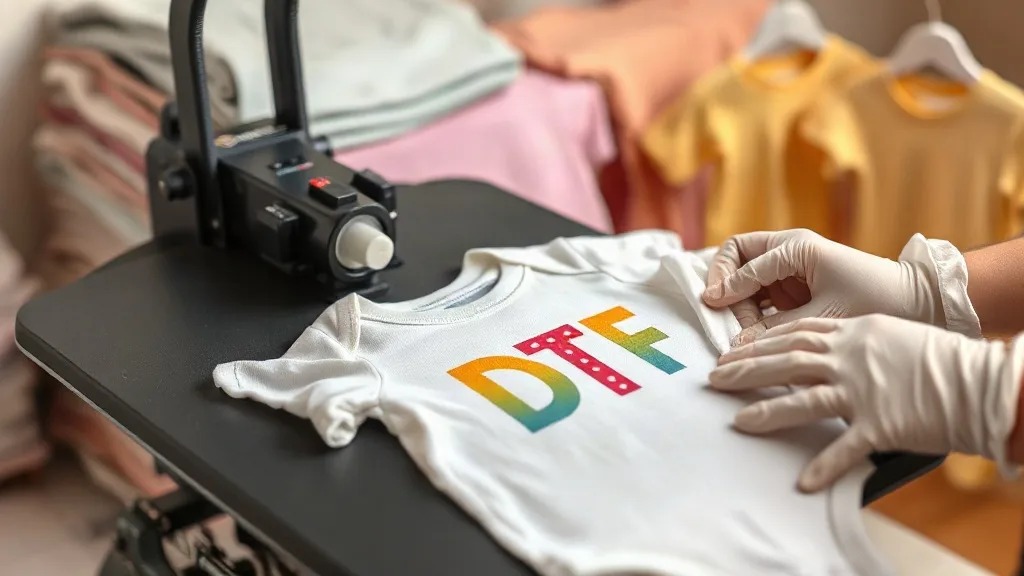
When a parent picks up a onesie with a cute design, the last thing they want to worry about is whether the print will crack after three washes or irritate their baby's skin. For print shops, that means baby and toddler apparel demands a different level of care than standard adult tees. The fabrics are thinner, the wash cycles are more frequent, and the safety standards are stricter. dtf transfers have become a go-to solution for this niche because they offer a soft hand, strong adhesion, and the ability to print detailed, multi-color designs without the heavy feel of screen printing. But using dtf for kids' clothing isn't just a matter of pressing a transfer and hoping for the best. There are specific choices to make about materials, application, and compliance that can make or break a product line.
Why DTF Suits Baby and Toddler Apparel
Baby clothes are typically made from lightweight cotton, cotton-poly blends, or bamboo jersey. These fabrics are soft, stretchy, and often have a bit of spandex for recovery. Traditional screen printing can leave a thick ink layer that feels stiff and may crack when the garment stretches. Vinyl can be too rigid for tiny sleeves and necklines. DTF transfers, on the other hand, use a fine layer of adhesive powder and pigment ink that bonds to the fabric fibers without adding bulk. The result is a print that moves with the garment and stays soft against delicate skin.
Another advantage is the ability to print full-color designs with fine details, gradients, and small text. Baby apparel often features cute illustrations, milestone stats, or matching family designs. DTF handles all of that in one transfer, which simplifies production for small batches and custom orders. For a print shop that serves boutiques, crafters, or direct-to-consumer parents, DTF offers a way to produce high-quality kids' items without investing in multiple screens or specialized equipment.
Choosing the Right Blanks for Kids' Clothing
Not all baby garments are created equal when it comes to DTF. The fabric content, weight, and finish all affect how well the transfer adheres and how long it lasts. Here's what to look for:
- Fiber content: 100% cotton is the easiest to press and yields excellent durability. Cotton-poly blends also work well, but you may need to adjust temperature and pressure. Avoid garments with a high percentage of spandex or Lycra in the main body, as excessive stretch can cause the transfer to crack over time.
- Weight: Lightweight jersey (around 4.5 to 5.5 oz) is common for baby clothes. These fabrics heat up quickly, so use a lower pressing temperature (around 285°F to 300°F) and shorter dwell time to avoid scorching or excessive shine.
- Finish: Avoid garments with silicone softeners, stain-resistant coatings, or heavy enzyme washes. These finishes can prevent the adhesive from bonding properly, leading to premature peeling. If you're unsure, ask your supplier for fabric that is DTF-friendly or test a small area first.
- Construction: Look for flat seams and minimal thickness at the print area. Avoid pressing over zippers, snaps, or thick hems, as these can create uneven pressure and cause the transfer to fail.
It's also worth considering the color of the garment. DTF transfers are opaque, so they work on both light and dark fabrics. However, on very light pastels, a white underbase is still recommended to keep colors vibrant. Most DTF transfers already include a white layer, so you don't need to worry about that unless you're printing with a specialty transfer that lacks a base.
Safety and Compliance: What Print Shops Need to Know
Baby and toddler apparel falls under strict safety regulations, particularly in the United States with the Consumer Product Safety Improvement Act (CPSIA). While DTF transfers themselves are generally considered safe when properly applied, there are a few points to keep in mind:
- Ink and powder composition: Use DTF inks and adhesives that are free from heavy metals, phthalates, and other restricted substances. Reputable suppliers provide safety data sheets (SDS) and test reports. Always source from a supplier that can confirm compliance with CPSIA or equivalent regulations in your region.
- Application method: Ensure the transfer is fully cured and bonded. Improperly applied transfers can peel or flake, creating a choking hazard for small children. Follow the manufacturer's pressing instructions precisely and test adhesion after washing.
- Flammability: Some regulations require children's sleepwear to be flame-resistant. DTF transfers can affect flammability, so if you're printing on sleepwear, check with the fabric supplier and consider testing the finished garment. For everyday playwear, this is less of a concern, but it's always better to be informed.
It's also smart to include a care label or hangtag that instructs parents to wash the garment inside out in cold water and avoid ironing directly on the print. This not only preserves the print but also reduces the risk of any adhesive softening and transferring to other items.
Pressing Techniques for Tiny Garments
Pressing DTF transfers onto baby clothes requires a bit more finesse than adult tees because the garments are small and often have awkward shapes. Here are some practical tips:
- Use a pressing pillow or a folded towel: Slip a pressing pillow inside the onesie or shirt to create a firm, even surface. This helps distribute pressure evenly and prevents seams from interfering with the bond.
- Pre-press to remove moisture: Baby fabrics often hold moisture from manufacturing or storage. A quick pre-press (5 to 10 seconds) at 300°F will remove wrinkles and moisture, ensuring a better bond.
- Adjust pressure: Medium pressure is usually sufficient. Too much pressure can cause the adhesive to bleed through the fabric or create a shiny, stiff hand. Too little pressure results in poor adhesion.
- Peel cool or cold: Most DTF transfers are cold-peel, meaning you wait until the transfer is completely cool before removing the carrier film. This prevents the design from stretching or distorting, especially on stretchy fabrics.
- Post-press for durability: After peeling, a second press for 5 to 10 seconds with a Teflon sheet or parchment paper can improve wash durability. This step is optional but recommended for items that will be washed frequently.
For very small items like socks, mittens, or bibs, you may need to use a smaller heat press or a handheld iron. In those cases, pay extra attention to even pressure and temperature. A infrared thermometer can help you verify the actual surface temperature of the fabric, as small items can heat up faster than expected.
Wash Durability: What to Expect and How to Improve It
Parents wash baby clothes frequently, often in hot water with strong detergents. A DTF transfer that isn't properly applied will start to show wear after a few cycles. To maximize durability:
- Start with a high-quality transfer from a reputable supplier. Cheap transfers with low powder content may feel soft initially but fail quickly.
- Ensure the fabric is completely dry before pressing. Moisture is the enemy of adhesion.
- Use the correct temperature and pressure for the specific fabric. When in doubt, test a scrap piece.
- Allow the transfer to cool completely before peeling. Hot peel can stretch the design and weaken the bond.
- Post-press with a protective sheet to seal the edges.
- Advise customers to wash inside out in cold or warm water and tumble dry low. Avoid fabric softener and bleach, which can degrade the adhesive over time.
Even with perfect application, no DTF transfer will last forever on a garment that's washed daily. But with proper care, you can expect the print to stay intact for the life of the garment, which is typically until the child outgrows it. That's usually a few months for newborns, longer for toddlers.
Design Considerations for Kids' Clothing
Designing for baby and toddler apparel is different from adult tees. Here are some practical design tips:
- Keep it simple and readable: Small children's clothing often has text or numbers. Ensure fonts are legible at a small size and avoid very thin lines that may not reproduce well.
- Avoid large solid areas: While DTF can handle solid blocks of color, large areas can feel heavy on tiny garments. Use open designs with plenty of negative space to keep the print soft.
- Think about placement: Center chest prints are classic, but consider side placements, pocket prints, or all-over patterns for a more modern look. Just remember that seams and curves can make pressing tricky.
- Use vibrant colors: Babies and toddlers look great in bright colors, and DTF reproduces them accurately. However, be mindful of white ink usage. On light garments, you can reduce the white layer to make the print even softer, but this may affect opacity.
- Consider the stretch: Designs that span across the chest or shoulders will stretch when the garment is put on. Use transfers that are designed to stretch, or keep designs smaller and placed on areas with less stretch.
Common Pitfalls and How to Avoid Them
Even experienced printers run into issues with baby apparel. Here are some common problems and solutions:
- Peeling after wash: Usually caused by insufficient pressure, moisture in the fabric, or a fabric finish that repels the adhesive. Pre-press, increase pressure, and test adhesion before shipping.
- Stiff hand: Often a result of too much powder or over-pressing. Use a transfer with a fine powder layer and avoid excessive heat or pressure.
- Color fading: Can happen if the transfer is overheated or if the garment is washed in hot water with harsh detergents. Use correct pressing parameters and advise proper care.
- Design cracking: Usually due to stretching the garment while the transfer is still hot, or using a transfer that isn't suitable for stretch fabrics. Allow to cool completely before peeling and handling.
- Adhesive bleeding: Occurs when the powder melts and spreads beyond the design. This can be caused by too much pressure or too high a temperature. Reduce pressure and temperature slightly.
Testing is your best friend. Before committing to a full production run, press a sample and wash it according to the care instructions. Inspect the print for adhesion, softness, and colorfastness. This simple step can save you from costly returns and unhappy customers.
Frequently Asked Questions
Are DTF transfers safe for baby clothes?
Yes, when sourced from a reputable supplier and applied correctly. Look for transfers that are free from heavy metals and phthalates, and ensure they are fully cured. Always request safety data sheets and test reports to confirm compliance with CPSIA or local regulations.
Can I use DTF transfers on organic cotton baby clothes?
Absolutely. Organic cotton is a great candidate for DTF, as long as it doesn't have a special finish that repels adhesives. Pre-press to remove moisture and use a lower temperature to avoid scorching. Organic fabrics may shrink slightly after washing, so consider pre-shrinking or sizing up.
How do I prevent DTF transfers from cracking on stretchy baby garments?
Choose a transfer that is designed for stretch fabrics, and avoid over-stretching the garment during pressing and peeling. Allow the transfer to cool completely before peeling, and consider post-pressing with a protective sheet to seal the edges. Also, keep designs smaller and avoid placing them across areas that stretch a lot.
What is the best way to wash baby clothes with DTF prints?
Wash inside out in cold or warm water on a gentle cycle. Avoid fabric softener and bleach. Tumble dry on low or hang dry. Do not iron directly on the print. Following these instructions will help the print last for the life of the garment.
Can DTF transfers be used on sleepwear?
It depends on the fabric and local regulations. Some sleepwear must be flame-resistant, and DTF transfers can affect flammability. Check with your fabric supplier and consider testing the finished garment. For everyday playwear, DTF is generally fine.