
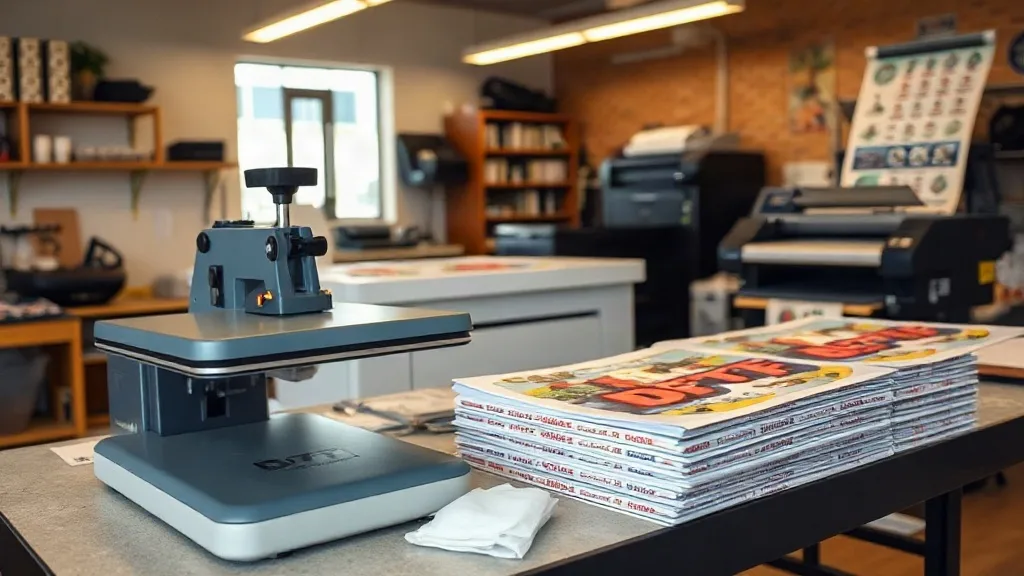
If you run a print shop, you already know that dtf transfers can be a game-changer. They let you print vibrant, full-color designs on almost any fabric without the hassle of weeding or the limitations of vinyl. But getting consistent, flawless results day in and day out? That's where the real challenge lies. This guide isn't about the basics you've heard a hundred times. It's about the nitty-gritty details that separate a good print from a great one, the kind that keeps customers coming back.
The Core of Quality: Film and Powder Selection
Before you even think about pressing, the materials you choose set the stage for success. Not all DTF films are created equal, and the same goes for adhesive powders. Skimping here is a false economy.
Picking the Right Film
DTF film comes in two main types: cold peel and hot peel. Cold peel films require the transfer to cool completely before you remove the carrier sheet. They tend to offer a softer hand and are more forgiving if you're new to the process. Hot peel films, on the other hand, let you peel immediately after pressing, which speeds up production. However, they can be less forgiving and may leave a slightly stiffer feel. For shops doing high-volume work, hot peel is often the go-to for efficiency, but it's worth testing both to see which aligns with your quality standards and workflow.
Also, pay attention to the film's thickness. Thinner films (around 75-100 microns) conform better to textured fabrics and give a more integrated feel, while thicker films (100-150 microns) are more durable and easier to handle during the printing process. If you're printing on stretchy fabrics, a thinner film with good elasticity is your friend.
The Powder Matters
Adhesive powder is what makes the transfer stick, and its particle size and composition affect everything from adhesion to durability. Finer powders (around 80-120 microns) melt more evenly and penetrate fabric better, resulting in a softer hand and stronger bond. Coarser powders are cheaper but can leave a gritty feel and may not adhere as well on textured surfaces. For critical jobs, especially on stretchy or performance fabrics, invest in a high-quality fine powder. It might cost a bit more, but it reduces the risk of returns and reprints.
Mastering the Press: Temperature, Pressure, and Time
Even with the best materials, pressing is where things can go wrong. The trio of temperature, pressure, and time is your holy trinity. Get one wrong, and you'll see peeling, uneven adhesion, or a plasticky feel.
Temperature: The Sweet Spot
Most DTF powders activate between 300°F and 320°F (150°C to 160°C). But your press's actual temperature can vary, so always use a reliable infrared thermometer to check the platen surface. A difference of 10 degrees can mean the difference between a perfect bond and a failed transfer. For heat-sensitive fabrics like polyester, you might need to lower the temp slightly and increase dwell time to avoid scorching or dye migration.
Pressure: Even and Consistent
Pressure ensures the transfer makes full contact with the fabric. Too little, and you'll get patchy adhesion; too much, and the powder can bleed into the fabric, causing a halo effect. Aim for medium pressure, around 4-6 on a 1-10 scale, but test with your specific press. A quick tip: use a pressure gauge if your press has one, and check for even pressure across the platen by pressing a piece of carbon paper onto a sheet of paper. Any uneven spots will show up as lighter areas.
Time: Don't Rush It
Dwell time typically ranges from 10 to 15 seconds for the transfer step. But again, this depends on your film and powder. Hot peel films often require shorter times, while cold peel films might need a few extra seconds. Always follow the manufacturer's recommendations as a starting point, then fine-tune based on your results. Keep a log of your settings for different fabrics and designs; it'll save you time and materials in the long run.
Troubleshooting Common DTF Issues
Even with careful setup, problems can arise. Here's how to diagnose and fix the most common ones.
Peeling or Lifting After Wash
If your transfer peels after washing, it's usually due to insufficient pressure, low temperature, or inadequate powder application. Check your press settings first. Also, ensure the fabric is completely dry and free of fabric softener before pressing. Fabric softener can create a barrier that prevents proper adhesion. If the problem persists, try a finer powder or increase pressure slightly.
Patchy or Uneven Adhesion
This often stems from uneven pressure or a worn press pad. Inspect your press pad for grooves or flat spots and replace it if necessary. Also, make sure the transfer is positioned flat and hasn't curled up at the edges. For large designs, consider pressing in sections to ensure even coverage.
Color Fading or Cracking
Fading or cracking after washing indicates the ink didn't fully cure or the powder didn't melt properly. Ensure your printer's ink settings are correct and that the powder is fully melted before pressing. If you're using a home oven to cure powder, invest in a proper curing oven or a heat press with even heating. Inconsistent heat is a common culprit.
Choosing the Right Blanks for DTF
Not all fabrics play nice with DTF. While it works on cotton, polyester, blends, and even some nylons, results vary. For best results, choose tightly woven fabrics with a smooth surface. Loosely knit or heavily textured fabrics can cause the transfer to sit on top rather than integrate, leading to a stiffer feel and potential cracking. If you must print on textured fabrics, use a thinner film and consider a lower pressing temperature with longer dwell time to allow the powder to flow into the texture.
Workflow Tips for Busy Shops
Efficiency is key in a production environment. Here are a few tricks to streamline your DTF process:
- Pre-press your garments: A quick 3-5 second press before applying the transfer removes moisture and wrinkles, improving adhesion.
- Use a teflon sheet: Place a Teflon sheet over the transfer during pressing to protect your press and ensure even heat distribution.
- Organize your transfers: Store printed transfers in a dust-free, cool environment. Stack them with the powder side up to avoid contamination.
- Maintain your printer: Regular cleaning and maintenance of your DTF printer prevent clogs and ensure consistent ink flow, which directly affects print quality.
Frequently Asked Questions
How do I find reliable dtf transfers near me?
Start by checking local print supply stores and online directories for DTF transfer services. Look for reviews and ask for samples to test quality. Many suppliers offer sample packs, which are a great way to evaluate their product before committing to a larger order. Also, consider joining local print shop groups on social media where owners share recommendations.
Can I use DTF transfers on dark garments?
Absolutely. DTF transfers are particularly effective on dark colors because the white ink layer provides a bright base. Just ensure your printer uses enough white ink and that the powder is applied evenly. For very dark or black fabrics, you might need to increase the white ink density slightly to prevent the shirt color from showing through.
What's the best way to store unused DTF transfers?
Store them in a cool, dry place away from direct sunlight. Keep them flat and stacked with the powder side up to prevent the powder from transferring to other surfaces. Avoid humid environments, as moisture can affect the powder's performance. If you're in a humid area, consider using a dehumidifier or storing transfers in airtight containers with silica gel packs.
How long do DTF transfers last?
With proper application and care, DTF transfers can last as long as the garment itself. Wash inside out in cold water and tumble dry low. Avoid ironing directly over the transfer, and if you must iron, use a pressing cloth. Following these guidelines will ensure your prints stay vibrant and intact for many washes.
Do I need a special printer for DTF?
Yes, DTF requires a dedicated printer that uses DTF inks and can handle the film. However, if you're not ready to invest in a printer, you can order pre-printed transfers from a supplier. This is a great way to offer DTF without the upfront cost. Many suppliers provide gang sheets, which allow you to maximize your order and reduce waste.