
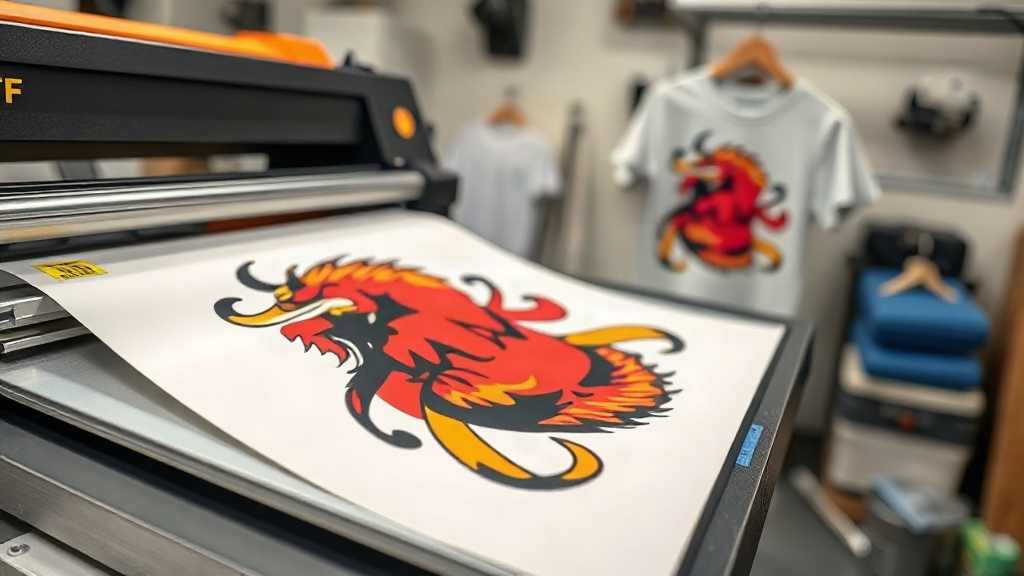
If you've been exploring custom apparel printing, you've likely come across DTF printing. It's quickly becoming a favorite among crafters and small business owners for its versatility and vibrant results. But what exactly is DTF, and how can it elevate your designs? In this guide, we'll break down the process, compare it to other methods, and share practical tips to help you succeed.
What is DTF Printing?
DTF stands for Direct to Film. It's a printing method where your design is printed onto a special film, coated with adhesive powder, and then heat-pressed onto fabric. Unlike DTG (Direct to Garment), which prints directly onto the shirt, DTF allows you to transfer the design to various materials, including cotton, polyester, and blends. This flexibility makes it a go-to for custom t-shirts, hoodies, tote bags, and more.
The process involves several steps: designing your artwork, printing it onto the film using a DTF printer, applying adhesive powder, curing the powder, and finally pressing the transfer onto your garment. Each step requires attention to detail, but the results are worth it.
Why Choose DTF?
There are several reasons why DTF printing has gained traction:
- Versatility: Works on almost any fabric, including dark and light colors.
- Durability: Transfers are stretchable and resistant to cracking.
- Detail: Captures fine lines and gradients better than some other methods.
- No pre-treatment: Unlike DTG, you don't need to pre-treat the fabric.
- Cost-effective for small batches: Ideal for one-off projects or small runs.
For a deeper dive into how DTF compares to other printing techniques, check out our DTF vs DTG comparison.
DTF vs Other Printing Methods
Understanding how DTF stacks up against alternatives can help you choose the right method for your project. Here's a quick comparison:
DTF vs DTG
DTG prints directly onto the garment, which limits it to cotton fabrics. DTF, on the other hand, can be used on a wider range of materials and doesn't require pre-treatment. However, DTG can be more cost-effective for large runs on cotton.
DTF vs Screen Printing
Screen printing is great for bulk orders with few colors, but it's not practical for complex designs or small batches. DTF excels in detailed, multi-color designs and short runs.
DTF vs Vinyl
Heat transfer vinyl (HTV) is popular for simple designs but can be time-consuming to weed. DTF eliminates weeding and handles intricate designs with ease.
Getting Started with DTF Printing
Ready to try DTF? Here's what you'll need:
- DTF Printer: Options range from entry-level to industrial. Research models that fit your budget and volume.
- DTF Film: Available in rolls or sheets. Choose the right thickness for your printer.
- Adhesive Powder: This is crucial for bonding the transfer to the fabric.
- Heat Press: A reliable heat press ensures even application.
- Design Software: Use graphic design tools to create or adjust your artwork.
Once you have your equipment, follow these steps:
- Print your design onto the film (remember to mirror the image).
- Apply adhesive powder evenly over the wet ink.
- Cure the powder using a heat source (e.g., heat gun or oven).
- Press the transfer onto your garment at the recommended temperature and pressure.
- Peel the film off (hot or cold peel, depending on the film).
For a step-by-step tutorial, see our guide on how to DTF print.
Tips for Success
To get the best results with DTF, keep these tips in mind:
- Test your settings: Each printer and film combo may require different settings. Experiment to find what works.
- Use quality supplies: Cheaper film or powder can lead to poor adhesion and dull colors.
- Store transfers properly: Keep unused transfers in a cool, dry place to prevent clumping.
- Practice pressing: Temperature, pressure, and time are critical. Use a heat press with accurate controls.
For more advanced techniques, explore our DTF tips section.
Common DTF Challenges and Solutions
Even with the best equipment, you might encounter issues. Here are some common problems and how to fix them:
Poor Adhesion
If the transfer peels off, it could be due to insufficient powder, incorrect curing, or inadequate pressure. Ensure the powder is fully cured and apply more pressure.
Faded Colors
Fading often results from under-curing the powder or using low-quality ink. Check your curing temperature and consider upgrading your ink.
Clogged Printheads
Regular maintenance is key. Clean your printheads according to the manufacturer's instructions and use your printer frequently to prevent clogs.
Applications of DTF Printing
DTF isn't just for t-shirts. It's used for:
- Hoodies and sweatshirts
- Tote bags
- Aprons
- Pillows
- Denim jackets
- Sportswear
The possibilities are endless. If you can heat-press it, you can probably DTF it.
Is DTF Printing Right for You?
If you're a small business owner, crafter, or hobbyist looking for a versatile printing method that delivers vibrant, durable results, DTF is worth considering. It has a learning curve, but with practice, you can produce professional-quality custom apparel.
For personalized guidance, feel free to contact us at Rollup Design. We're here to help you bring your ideas to life.
Frequently Asked Questions
What fabrics can I use with DTF printing?
DTF transfers work on a wide range of fabrics, including cotton, polyester, blends, and even leather. It's one of the most versatile methods available.
Do I need a special printer for DTF?
Yes, you need a DTF printer that uses pigment ink and is designed to print onto film. You can also convert some inkjet printers, but dedicated DTF printers are recommended for best results.
How long do DTF transfers last?
When applied correctly, DTF transfers can last as long as the garment itself. They are stretchable and resistant to cracking and fading.
Can I DTF print on dark colors?
Absolutely. DTF printing uses a white ink layer, so it works beautifully on both light and dark fabrics.
What is the cost of starting DTF printing?
Startup costs vary. A basic setup (printer, film, powder, heat press) can range from $1,000 to $5,000. However, you can start small and scale up as your business grows.