
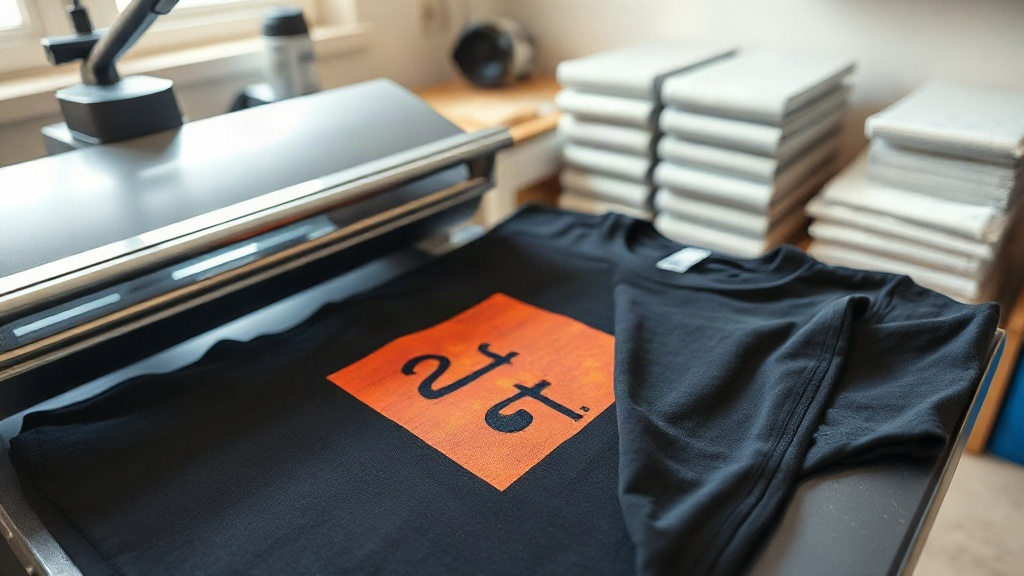
When I first heard about DTF transfers, I was skeptical. As someone who has spent years screen printing and experimenting with heat transfer vinyl, I thought I had seen it all. But after testing DTF on a whim, I was hooked. The ability to print full-color designs on dark cotton without weeding or masking felt like a superpower. In this guide, I'll share what I've learned so you can decide if DTF is right for your projects.
What Are DTF Transfers?
DTF stands for Direct to Film. It's a printing method where your design is printed onto a special film, coated with adhesive powder, and then heat-pressed onto fabric. Unlike DTG (Direct to Garment), which prints directly onto the shirt, DTF uses a transfer step. This opens up possibilities for printing on a wide range of materials, including cotton, polyester, blends, and even some non-fabric items like canvas shoes or tote bags.
The process involves a few key steps: printing with specialized DTF inks, applying a thermoplastic powder while the ink is still wet, curing the powder, and then transferring the design with a heat press. The result is a soft, stretchable print that can handle washing and wearing without cracking easily.
Why Choose DTF Transfers Over Other Methods?
There are several reasons why DTF has gained popularity among crafters and small businesses. Here are the main advantages I've experienced:
- No weeding or masking: Unlike HTV, you don't have to cut and weed tiny details. Just print, powder, and press.
- Works on almost any fabric: Cotton, polyester, blends, and even treated leather. You're not limited to light-colored or 100% cotton shirts.
- Full-color and photographic designs: DTF can reproduce gradients, fine lines, and complex images with impressive detail.
- Durability: When applied correctly, DTF prints withstand dozens of washes without significant fading or cracking.
- Cost-effective for small batches: No minimum order quantities, and you can print one-off designs easily.
Of course, there are trade-offs. DTF prints have a slight hand (feel) compared to DTG on light shirts, and the equipment requires an initial investment. But for many, the versatility outweighs the downsides.
How to Apply DTF Transfers: Step-by-Step
Applying a DTF transfer is straightforward, but the details matter. Here's my tried-and-true method:
- Preheat your heat press: Set the temperature to 325°F (160°C) for cotton, or 300°F (150°C) for polyester. Preheat the garment for 5-10 seconds to remove moisture.
- Position the transfer: Place the DTF film on the shirt with the printed side facing up. If your design has a white underbase (most do), the film goes directly onto the fabric.
- Press: Apply medium pressure for 15-20 seconds. For larger areas, you may need two presses to ensure even adhesion.
- Peel: Wait for the transfer to cool completely (cold peel) before removing the film. This gives the best results.
- Post-press: For extra durability, cover the design with parchment paper and press again for 5-10 seconds.
Always test on a scrap piece first, as different fabrics and films can behave differently.
Common Mistakes and How to Avoid Them
Even experienced crafters run into issues with DTF. Here are the most frequent problems and their solutions:
- Peeling too soon: If you peel while hot, the design may stretch or leave residue. Wait until it's cool.
- Insufficient pressure: Not enough pressure leads to poor adhesion. Adjust your press and check with a pressure gauge.
- Wrong temperature: Too hot can scorch the fabric or melt the film; too cold means the adhesive won't activate. Use a infrared thermometer to verify.
- Not pre-pressing: Moisture in the fabric can cause steam and ruin the transfer. Always pre-press.
- Using the wrong film: Some films are designed for specific fabrics. Match the film to your material for best results.
DTF vs. Other Printing Methods
How does DTF stack up against screen printing, DTG, and HTV? Here's a quick comparison:
- Screen printing: Cheaper for large orders, but setup costs are high and it's not practical for full-color photos.
- DTG: Great for 100% cotton, but limited on dark shirts and polyester. DTF handles both better.
- HTV: Good for simple designs, but weeding is tedious and layering multiple colors is time-consuming.
- DTF: The most versatile for small batches, complex designs, and diverse fabrics.
If you're a small business or hobbyist, DTF offers a sweet spot of quality, flexibility, and cost.
Tips for Vibrant, Long-Lasting Prints
To get the most out of your DTF transfers, follow these practices:
- Store unused transfers in a cool, dry place away from direct sunlight.
- Use a quality heat press with consistent temperature and pressure.
- Wash garments inside out in cold water and tumble dry low.
- Avoid ironing directly on the print; if needed, use a pressing cloth.
- For stretchy fabrics, stretch the garment slightly before pressing to allow the print to move with the fabric.
I've had DTF prints last over 50 washes with minimal fading when cared for properly.
Frequently Asked Questions
Can I use DTF transfers on 100% polyester?
Yes, DTF works well on polyester, but you need to lower the temperature to around 300°F (150°C) to avoid scorching or dye migration. Some polyester dyes can bleed into the print, so using a low-bleed film is recommended.
How long do DTF transfers last?
With proper application and care, DTF prints can last 50+ washes. Factors like washing temperature, detergent type, and abrasion affect longevity. Cold water and gentle cycles extend the life significantly.
Do I need a special printer for DTF?
You can convert certain inkjet printers (like Epson) to use DTF inks, or buy a dedicated DTF printer. The key is using DTF-compatible inks and film. Many starters begin with a converted printer and upgrade later.
What's the difference between DTF and DTG?
DTG prints directly onto the garment, while DTF prints onto a film that is then transferred. DTF works on more fabric types and doesn't require pre-treatment, but DTG can have a softer feel on 100% cotton.
Can I stretch DTF prints?
DTF prints have some stretchability, but they are not as elastic as the fabric itself. For highly stretchy fabrics like spandex, the print may crack over time if stretched excessively. Using a stretch additive in the powder can help.
Final Thoughts
DTF transfers have opened up a world of possibilities for my custom apparel projects. Whether you're a hobbyist or a growing business, this technology offers a practical way to produce vibrant, durable prints on almost any fabric. Start with a small kit, practice your pressing technique, and you'll be amazed at what you can create.