
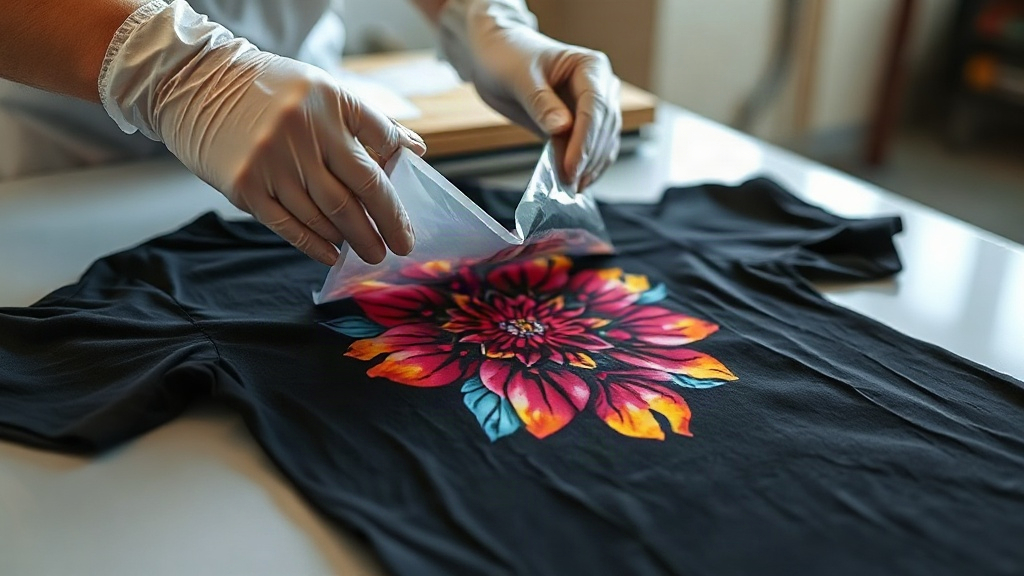
If you have ever tried to print a detailed, multicolor design onto a dark polyester shirt, you know the frustration of traditional methods. Vinyl peeling, screen printing clogs, and limited color options can make custom apparel a headache. Enter DTF transfers, a game-changing technology that has taken the printing world by storm. Whether you are a small business owner, a hobbyist, or a professional printer, understanding DTF transfers can unlock new possibilities for your projects. In this guide, we will dive deep into what DTF transfers are, how they work, and why they might be the perfect solution for your next custom job.
What Are DTF Transfers?
DTF stands for Direct to Film. Unlike DTG (Direct to Garment) or screen printing, DTF transfers involve printing your design onto a special film, coating it with a powder adhesive, and then heat-pressing it onto the fabric. This two-step process allows for incredible detail and color vibrancy that other methods struggle to match. The film acts as a carrier, and the adhesive ensures a strong bond that can withstand repeated washing.
The magic of DTF transfers lies in their versatility. You can print on almost any fabric, including cotton, polyester, blends, and even leather. The process works equally well on light and dark garments, which is a major advantage over DTG printing that often requires pre-treatment for dark shirts. Plus, DTF transfers don't require weeding or masking, saving you hours of tedious work.
How DTF Transfers Work: Step by Step
Understanding the workflow of DTF transfers helps you appreciate their efficiency. Here is a breakdown of the process from start to finish.
1. Design Preparation
First, you create your design using graphic software. The design is printed in reverse onto a PET film using a DTF printer. These printers use special inks that are vibrant and durable. The printer lays down a white ink layer underneath the color inks, which acts as a base and makes the colors pop, especially on dark fabrics.
2. Powder Application
After printing, the film is dusted with a hot-melt adhesive powder. The excess powder is shaken off, and the film is heated to melt the powder, creating a sticky surface that will bond with the fabric during heat pressing.
3. Curing
The film is then cured, either in a conveyor oven or with a heat press, to completely melt the powder and set the inks. This step is crucial for washability and durability.
4. Heat Pressing
Finally, the transfer is placed onto the garment and heat pressed at a specific temperature and pressure for a set time. Once cooled, the film is peeled away, leaving a soft, flexible print that feels like part of the fabric.
Why Choose DTF Transfers Over Other Methods?
DTF transfers offer several compelling advantages that make them a favorite among apparel decorators. Let's explore the key benefits.
- Vibrant Colors: DTF printers can produce millions of colors, including gradients and fine details, without the need for separate screens or color separations.
- Fabric Versatility: Works on cotton, polyester, nylon, leather, and more. No need to stock different types of vinyl or transfer papers.
- No Weeding: Unlike heat transfer vinyl (HTV), DTF transfers don't require weeding, saving time and reducing waste.
- Durability: When applied correctly, DTF prints can withstand 50+ washes without cracking, peeling, or fading.
- Cost-Effective for Short Runs: No setup costs like screen printing, making it ideal for small batches and personalized items.
- Soft Hand Feel: The prints are thin and flexible, moving with the fabric without feeling rubbery.
These benefits make DTF transfers an excellent choice for businesses that offer custom t-shirts, hoodies, tote bags, and more. Whether you are printing a single sample or a hundred pieces, DTF delivers consistent results.
Applications of DTF Transfers
The versatility of DTF transfers extends beyond just t-shirts. Here are some popular applications:
- Custom Apparel: T-shirts, polo shirts, hoodies, jackets, and even jeans.
- Activewear: Because DTF prints are stretchable, they are great for sportswear and leggings.
- Accessories: Tote bags, hats, and backpacks.
- Home Decor: Pillows, blankets, and curtains.
- Promotional Items: Company logos on uniforms and giveaways.
If you are looking to offer custom products, DTF transfers open up a world of possibilities. You can cater to niche markets like sports teams, schools, and small businesses without investing in multiple printing technologies.
How to Apply DTF Transfers: Best Practices
Getting a perfect DTF transfer requires attention to detail. Follow these best practices to ensure professional results.
Choose the Right Fabric
While DTF works on many fabrics, some require special care. For 100% cotton, use a lower temperature to avoid scorching. For polyester, be cautious of dye migration; using a low-temperature adhesive powder can help. Always test on a scrap piece first.
Pre-Press the Garment
Before applying the transfer, pre-press the garment for a few seconds to remove moisture and wrinkles. This step ensures a smooth surface for the transfer to adhere to.
Set the Heat Press Correctly
Typical settings for DTF transfers are 325°F (160°C) for 15-20 seconds with medium pressure. However, always follow the instructions provided by your transfer supplier, as settings can vary. Too much heat can cause the film to shrink or the adhesive to over-melt, leading to a poor bond.
Peel with Care
After pressing, allow the transfer to cool completely before peeling the film. This is called a cold peel. Peeling while hot can cause the design to stretch or lift. Once cooled, peel the film in a smooth, steady motion.
Post-Press for Durability
For extra durability, you can post-press the garment for a few seconds with a cover sheet. This further embeds the adhesive into the fabric.
By following these steps, your DTF transfers will look great and last long.
Common Challenges and Solutions
Even with the best practices, you might encounter issues. Here are some common problems and how to fix them.
- Peeling After Wash: This usually indicates insufficient pressure or time. Increase pressure and ensure you are pressing at the correct temperature. Also, make sure the garment is clean and dry before pressing.
- Cracking: Cracking can occur if the transfer is stretched too much during application or if the ink layer is too thick. Use a lower ink limit in your design and stretch the garment slightly during pressing to allow the print to move with the fabric.
- Dull Colors: If colors look faded, you might be over-pressing, which can burn the ink. Lower the temperature or reduce time. Also, ensure your printer is using high-quality DTF inks.
- Adhesive Residue: Sometimes, adhesive may stick to the film instead of the garment. This can happen if the powder is not fully melted. Increase curing time or temperature.
Troubleshooting these issues will help you achieve consistent results and keep your customers happy.
DTF Transfers vs. Other Printing Methods
To truly appreciate DTF transfers, it helps to compare them with other popular methods.
DTF vs. DTG
DTG printing is great for 100% cotton and offers a soft feel, but it requires pre-treatment for dark shirts and can be slow. DTF works on more fabrics and doesn't need pre-treatment, making it more versatile.
DTF vs. Screen Printing
Screen printing is cost-effective for large orders but has setup costs and is limited in color complexity. DTF excels in short runs and complex designs without setup fees.
DTF vs. HTV
HTV is great for simple designs but requires weeding and layering for multiple colors. DTF allows full-color designs in one press, saving time and labor.
Each method has its place, but DTF transfers offer a unique combination of versatility, quality, and efficiency.
Frequently Asked Questions About DTF Transfers
How long do DTF transfers last?
When applied correctly, DTF transfers can last as long as the garment itself, often enduring 50 or more washes without significant fading or cracking. Proper washing inside out in cold water and avoiding harsh detergents will extend their life.
Can I use DTF transfers on 100% polyester?
Yes, DTF transfers work well on polyester. However, polyester can be sensitive to high heat, so use a lower temperature (around 300°F) and a shorter press time to avoid scorching or dye migration. Using a low-temperature adhesive powder is also recommended.
Do I need a special printer for DTF transfers?
Yes, DTF printing requires a dedicated DTF printer that uses DTF inks and prints onto PET film. You cannot use a regular inkjet printer. However, you can buy pre-printed DTF transfers from suppliers if you don't want to invest in a printer.
What is the best way to store DTF transfers?
Store unused DTF transfers in a cool, dry place away from direct sunlight. Keep them in a sealed bag to prevent dust and moisture from affecting the adhesive. Properly stored transfers can last for several months.
Can I layer DTF transfers?
Yes, you can layer DTF transfers to create multi-dimensional designs. Press the first layer, then apply the second layer on top, pressing again. Just be careful not to over-press, as too much heat can damage the inks.
With these answers, you are well on your way to mastering DTF transfers. Whether you are just starting or looking to expand your services, DTF technology offers a reliable and creative solution for custom apparel. At Rollup Design, we are passionate about helping you bring your ideas to life. Explore our resources and products to get started today.