
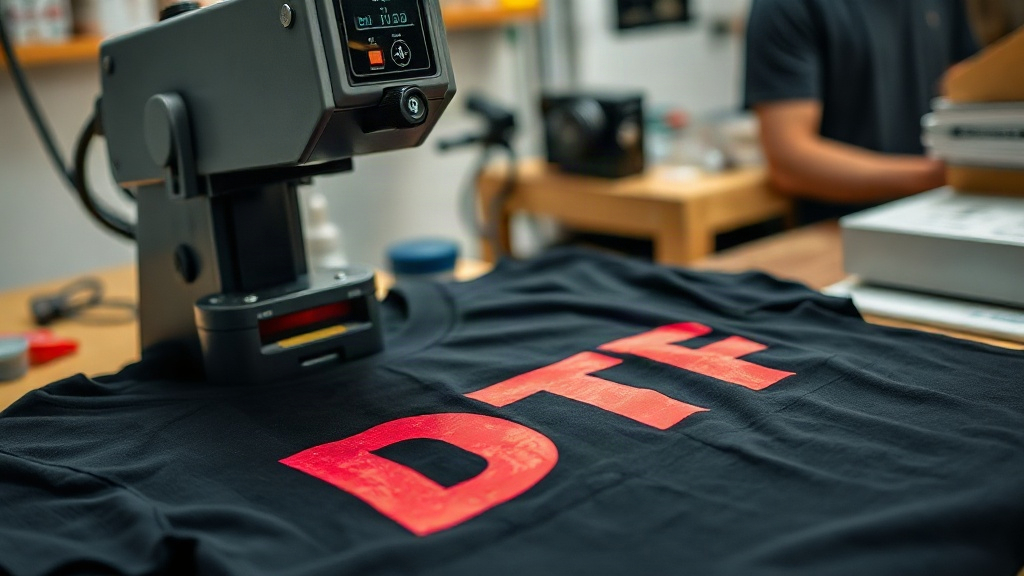
In the world of custom apparel, DTF transfers have emerged as a game-changer, offering vibrant colors and intricate details that traditional methods struggle to match. Whether you're a small business owner, a hobbyist, or a professional printer, understanding DTF technology can elevate your designs and streamline your production. This guide dives deep into what DTF transfers are, how they work, and why they might be the perfect solution for your next project.
What Are DTF Transfers?
DTF stands for Direct to Film. Unlike DTG (Direct to Garment) or screen printing, DTF transfers involve printing your design onto a special film, coating it with adhesive powder, and then heat-pressing it onto fabric. The result is a durable, stretchable print that adheres to a wide range of materials, including cotton, polyester, and blends.
The process begins with a digital printer that lays down white ink as a base, followed by CMYK colors. This white layer is crucial because it allows the design to show up vividly on dark fabrics without the need for multiple screens or complex color separations. Once printed, the film is dusted with a thermoplastic powder, which acts as the adhesive when heated.
Why Choose DTF Transfers?
There are several compelling reasons to consider DTF transfers for your custom apparel needs:
- Versatility: DTF transfers work on almost any fabric, including cotton, polyester, nylon, and even leather. This makes them ideal for a wide range of products, from t-shirts to tote bags.
- Vibrancy and Detail: The white ink base ensures that colors pop, even on dark garments. Fine lines, gradients, and photographic images reproduce beautifully.
- Durability: When applied correctly, DTF transfers are highly resistant to cracking, peeling, and fading. They can withstand repeated washing and stretching.
- Cost-Effective for Short Runs: Unlike screen printing, which requires separate screens for each color, DTF transfers are economical for small batches and one-off designs.
- No Weeding Required: Unlike heat transfer vinyl (HTV), DTF transfers don't require weeding, saving time and reducing waste.
How to Apply DTF Transfers
Applying DTF transfers is straightforward, but following the correct steps ensures a professional finish. Here's a step-by-step guide:
- Preheat Your Heat Press: Set your heat press to the recommended temperature, typically around 325°F (160°C).
- Pre-Press the Garment: This removes moisture and wrinkles, creating a smooth surface for the transfer.
- Position the Transfer: Place the DTF transfer onto the garment with the printed side facing up.
- Press: Apply medium pressure for 10-15 seconds.
- Peel: Wait for the transfer to cool completely before peeling off the film. This is known as a cold peel.
- Post-Press (Optional): For added durability, cover the design with parchment paper and press again for a few seconds.
Always test on a scrap piece of fabric first to dial in your settings. Different fabrics and transfer sizes may require adjustments.
Common Challenges and Solutions
Even with the best equipment, issues can arise. Here are some common problems and how to fix them:
Transfer Not Adhering
If the transfer peels off, it could be due to insufficient pressure, incorrect temperature, or too short a press time. Increase pressure and ensure your heat press is calibrated. Also, make sure the garment is pre-pressed to remove moisture.
Colors Look Dull
Dull colors often result from under-pressing or using too low a temperature. The white ink base needs enough heat to fuse properly. Check your press settings and consider using a higher temperature if needed.
Cracking After Washing
Cracking usually indicates that the transfer wasn't pressed long enough or the adhesive powder didn't fully melt. Extend the press time and ensure even pressure. Washing garments inside out in cold water and avoiding bleach can also prolong the life of the transfer.
DTF vs. Other Printing Methods
How does DTF stack up against other popular decoration methods?
- DTF vs. DTG: DTG prints directly onto fabric, which can be limiting on dark colors and synthetics. DTF offers more versatility and often better durability.
- DTF vs. Screen Printing: Screen printing is cost-effective for large orders but requires setup for each color. DTF is better for detailed designs and short runs.
- DTF vs. HTV: HTV requires weeding and layering, which is time-consuming. DTF transfers are ready to press and can handle complex designs without weeding.
Tips for Success with DTF Transfers
To get the most out of your DTF transfers, keep these tips in mind:
- Store Transfers Properly: Keep unused transfers in a cool, dry place away from direct sunlight to prevent the adhesive from activating prematurely.
- Use the Right Powder: Ensure you're using high-quality thermoplastic powder designed for DTF. The particle size affects adhesion and feel.
- Calibrate Your Heat Press: Regularly check temperature and pressure with a heat gun or pressure gauge. Consistency is key.
- Experiment with Fabrics: While DTF works on many materials, some fabrics like nylon may require lower temperatures. Always test first.
Frequently Asked Questions
What fabrics can I use with DTF transfers?
DTF transfers adhere well to cotton, polyester, cotton-poly blends, nylon, and even leather. They are not recommended for fabrics with a heavy water-repellent coating or rough textures like burlap.
How long do DTF transfers last?
With proper application and care, DTF transfers can last as long as the garment itself. They resist cracking, peeling, and fading through many wash cycles. Following wash instructions (inside out, cold water, no bleach) will maximize longevity.
Can I stretch DTF transfers?
Yes, DTF transfers are flexible and can stretch with the fabric without cracking, thanks to the elastomeric properties of the adhesive and inks. This makes them ideal for athletic wear and stretchy materials.
Do I need a special printer for DTF?
Yes, DTF printing requires a printer equipped with DTF inks (CMYK plus white) and a powder shaker machine. However, many print shops offer DTF transfer services if you don't want to invest in the equipment.
How do I remove a DTF transfer?
If you need to remove a DTF transfer, you can use a heat press or iron to reheat the adhesive and peel it off while hot. Some residue may remain, which can be cleaned with a commercial adhesive remover.
DTF transfers are revolutionizing the custom apparel industry with their versatility, durability, and vibrant results. By understanding the process and following best practices, you can achieve professional-quality prints that delight your customers. Whether you're just starting or looking to expand your offerings, DTF transfers are a valuable addition to any decoration arsenal.